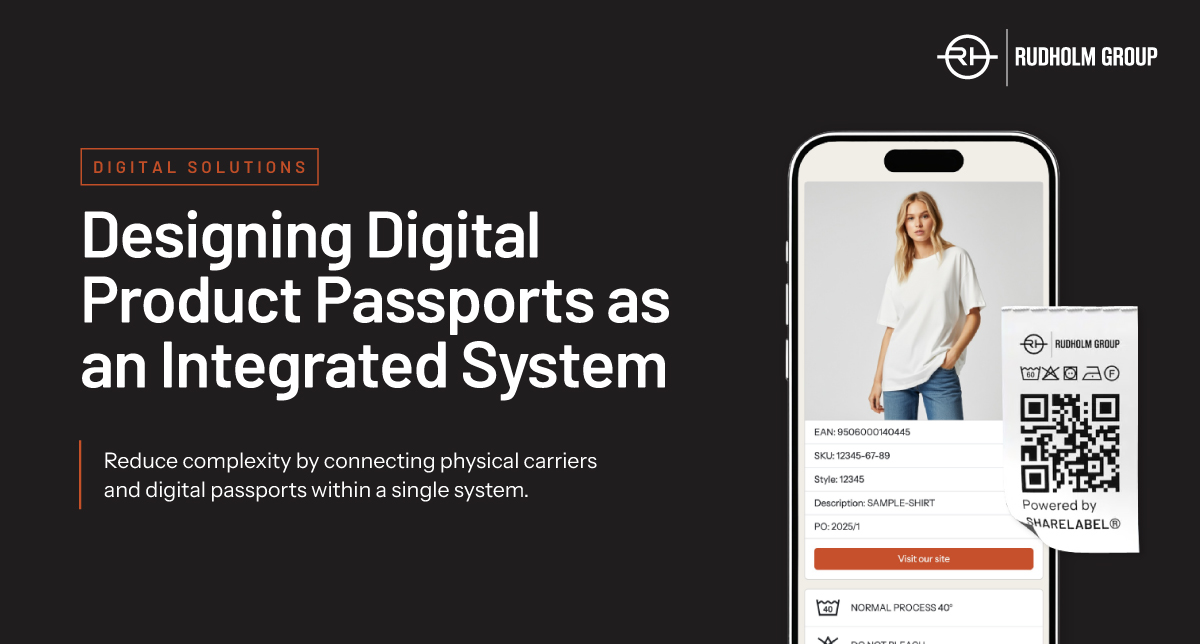
A Digital Product Passport (DPP) is a digital record that stores important information about a product throughout its lifecycle. This can include details about materials, manufacturing, sourcing, care instructions and end-of-life options such as repair, reuse or recycling.
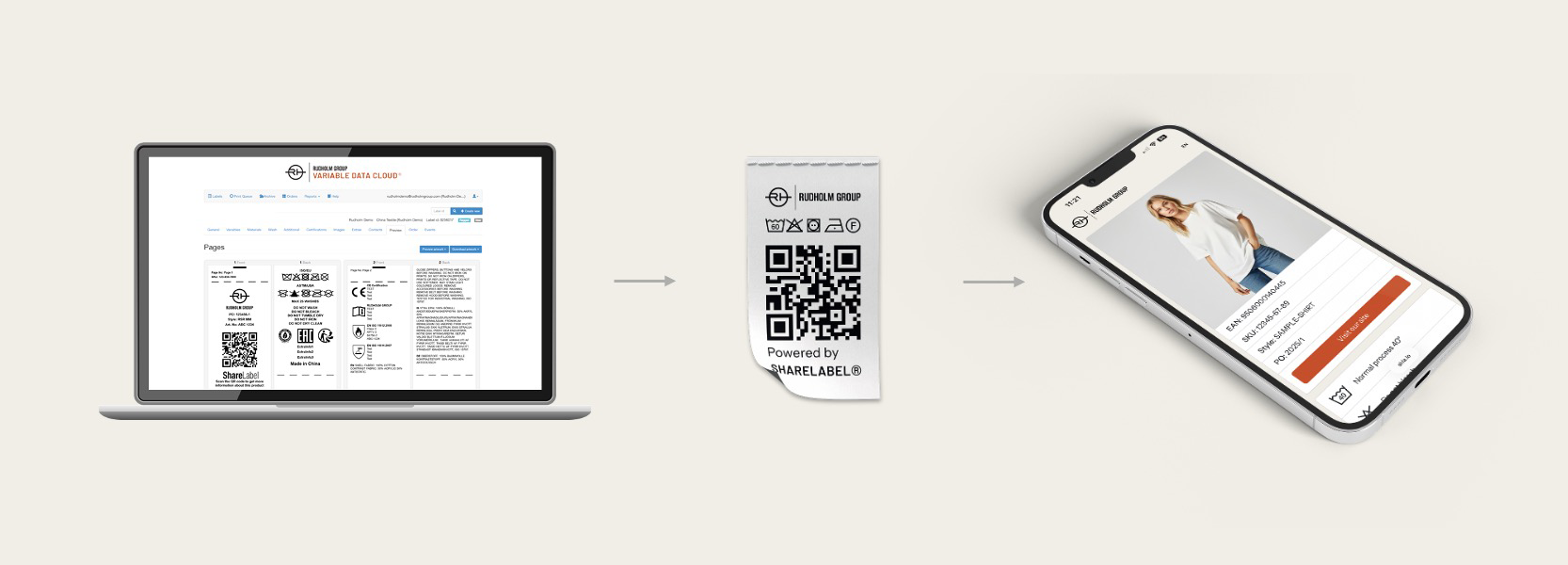
In practice, a DPP connects a physical product to a digital information layer, usually accessed through a simple scan of a QR code or a tap of an NFC chip. Once scanned, the customer, retailer or supply chain partner can instantly access verified product information.
This concept is gaining momentum across multiple industries as part of the EU’s effort to improve product transparency and enable a more circular economy.
You can read the full overview of how Digital Product Passports work in our guide.
Why Digital Product Passports Are Being Introduced
Digital Product Passports are closely connected to new European sustainability regulations. These regulations aim to improve product transparency by requiring consistent, accessible product information for goods placed on the EU market.
For the fashion industry in particular, this represents a significant shift. Historically, most product information has been limited to a small care label. With a Digital Product Passport, brands can instead provide a much richer layer of information about a garment’s materials, sourcing and lifecycle.
In a previous article, we also explored how DPPs support circular fashion and improved product traceability – read it here: ShareLabel®: Enabling Digital Product Passports for Seamless Circularity in Fashion).
How a Digital Product Passport Works
Most Digital Product Passports are accessed through a data carrier attached to the product. This can include:
- QR codes
- NFC chips
- RFID tags
- Other digital identifiers
When scanned, this identifier connects the product to a cloud-based platform that stores the product’s information.
At Rudholm Group, this connection is made through ShareLabel, a digital platform that links garments to a digital passport via QR codes or NFC chips integrated into care labels.
Each garment is assigned its own unique digital identity, allowing brands to manage product data, verify authenticity and share product information directly to consumers.
You can learn more about the technical side of this in CLUSTER NR 3.
What Information a Digital Product Passport Can Contain
Depending on the product and regulation, a Digital Product Passport may include information such as:
- Material composition
- Country of origin
- Manufacturing information
- Product-related environmental data
- Repair instructions
- Recycling guidance
- Product certifications
In many cases, this information goes far beyond what can fit on a traditional care label. For example, brands can include detailed sourcing information, sustainability commitments or even storytelling content about the product’s origin.
As discussed in our article on digital garment identity (Digital Identity of Your Garment – ShareLabel Episode 01), digital passports allow brands to share far richer product information than physical labels alone.
Why Digital Product Passports Matter
While Digital Product Passports are often discussed in the context of regulation, they also represent a major opportunity for brands.
Beyond compliance, they allow companies to:
- Improve supply chain transparency
- Strengthen product authenticity
- Communicate sustainability efforts
- Build stronger connections with customers
We explore these advantages further in our article: Benefits of Digital Product Passports for Brands.
Want to know more about DPP? Contact us today to speak with one of our sales members.